Optimal Timing for Waterproofing Projects
Proper timing for waterproofing projects ensures optimal effectiveness and longevity. The ideal period depends on climate, weather conditions, and the specific type of waterproofing material used. Typically, dry and mild weather conditions are preferred to allow materials to cure properly and adhere effectively.
Spring offers moderate temperatures and less humidity, making it suitable for waterproofing applications before the heavy rains of summer.
Summer provides warm, dry weather, ideal for curing waterproofing materials, especially in regions with less humidity.
Fall can be effective due to cooler temperatures and reduced precipitation, but early fall is preferable to avoid winter conditions.
Winter is generally not recommended due to freezing temperatures and increased moisture, which can impair application and curing processes.
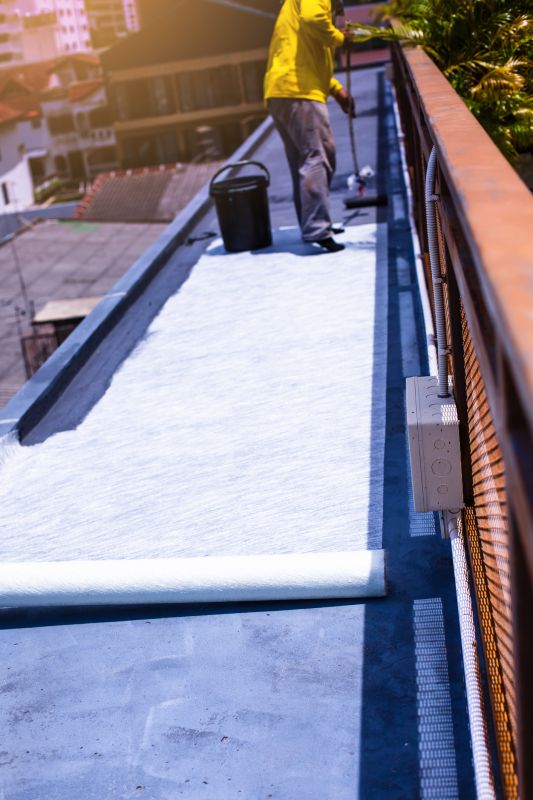
A crew applying waterproofing membrane on a building exterior during spring.
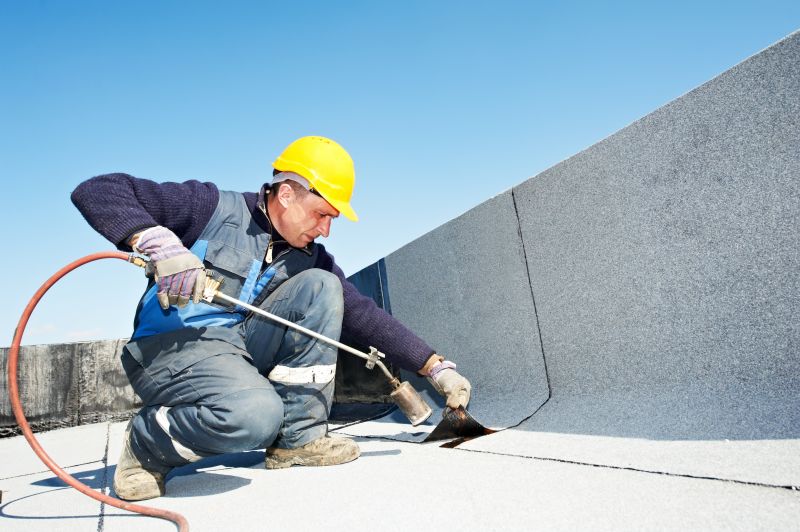
Installation of waterproofing coating on a roof under clear summer skies.
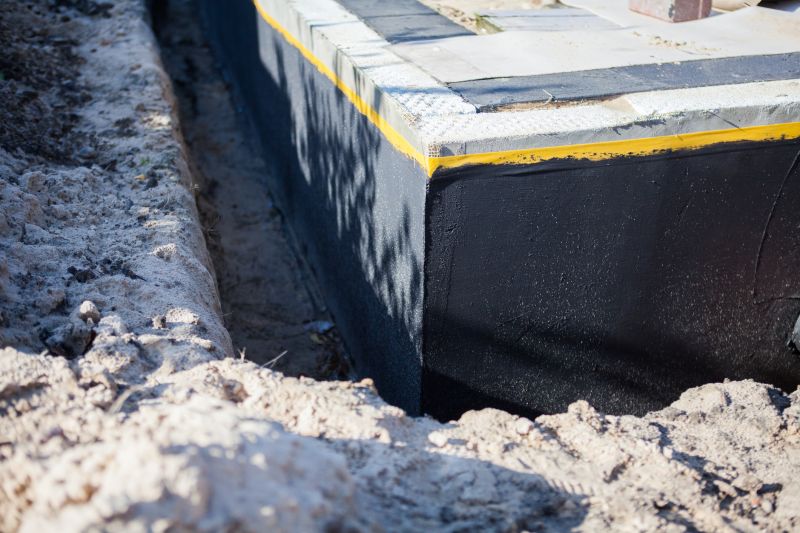
Sealing foundation walls in autumn to prepare for winter.
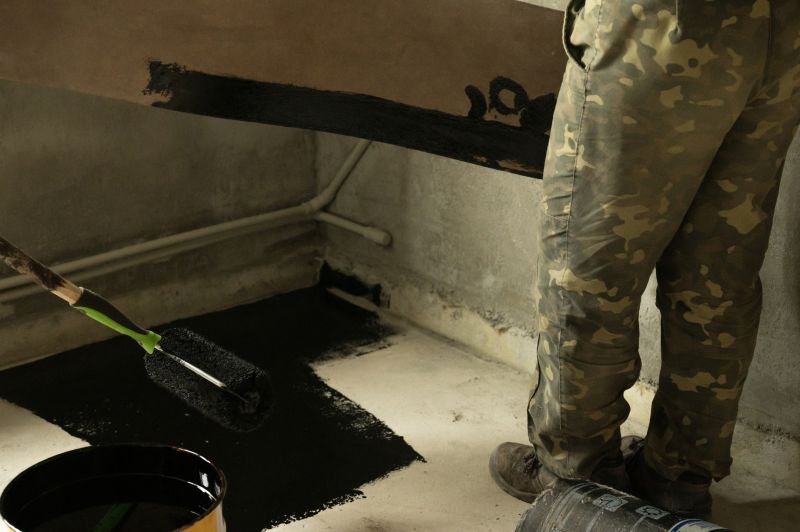
Ways to make Waterproofings work in tight or awkward layouts.
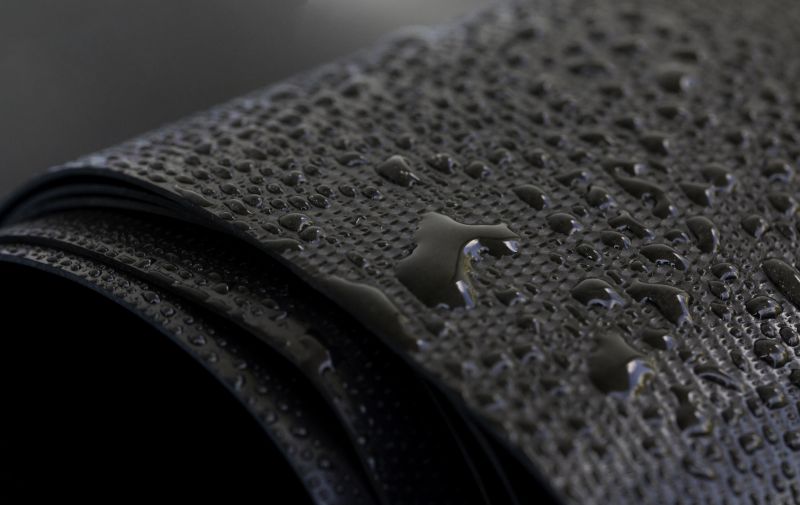
Popular materials for Waterproofings and why they hold up over time.
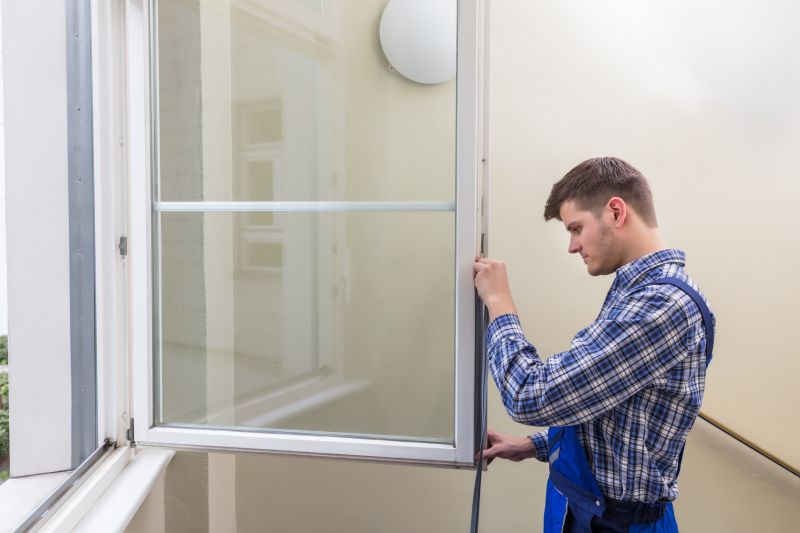
Simple add-ons that improve Waterproofings without blowing the budget.
| Season | Ideal Conditions |
|---|---|
| Spring | Moderate temperatures, low humidity, dry days |
| Summer | Warm and dry weather, good for curing |
| Fall | Cool temperatures, less precipitation, early fall preferred |
| Winter | Freezing temperatures, high moisture, not recommended |
Waterproofings are essential for protecting structures from water intrusion, which can lead to structural damage, mold growth, and reduced lifespan of building components. Modern waterproofing materials include liquid membranes, sheet membranes, and sealants, each suited for different applications. Proper application during the appropriate season enhances durability and effectiveness, ensuring buildings remain protected against moisture infiltration.
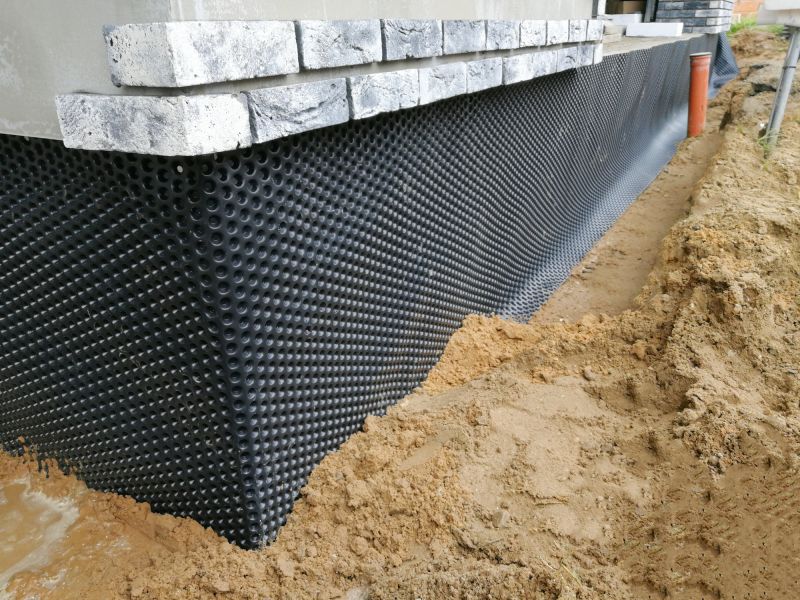
Applying a liquid waterproofing membrane on a basement wall.
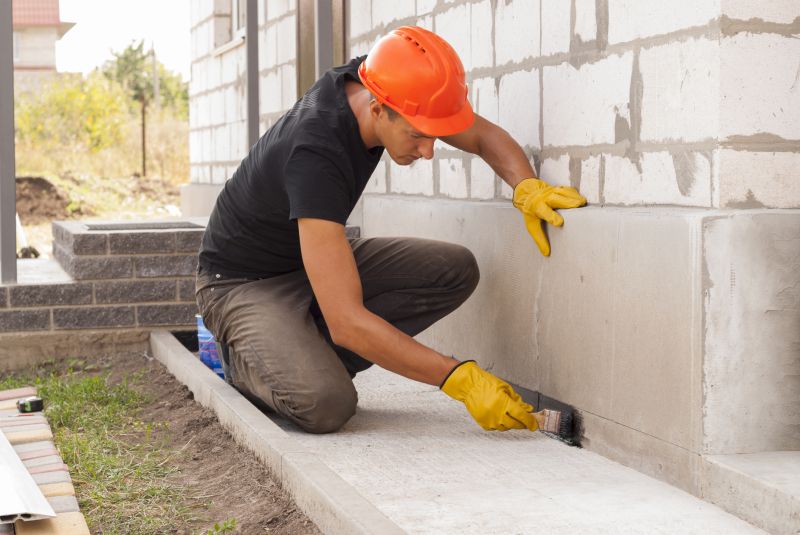
A technician sealing cracks to prevent water entry.
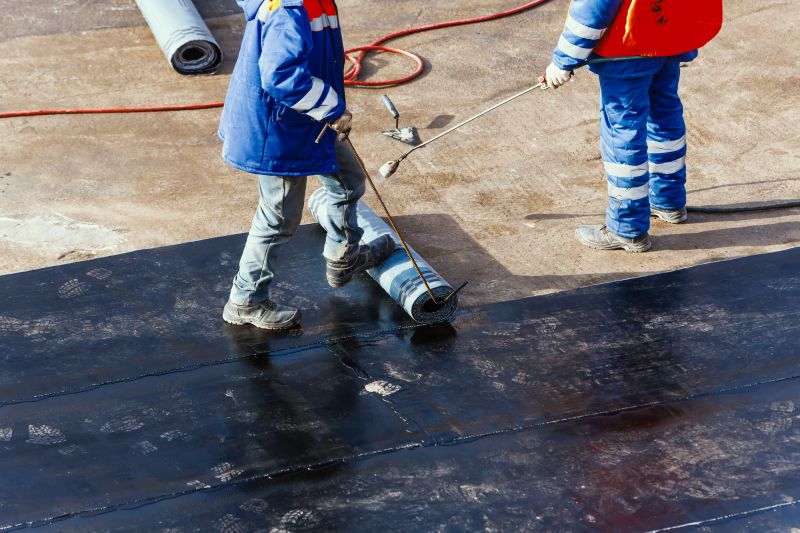
Coating a flat roof with waterproof membrane during dry weather.
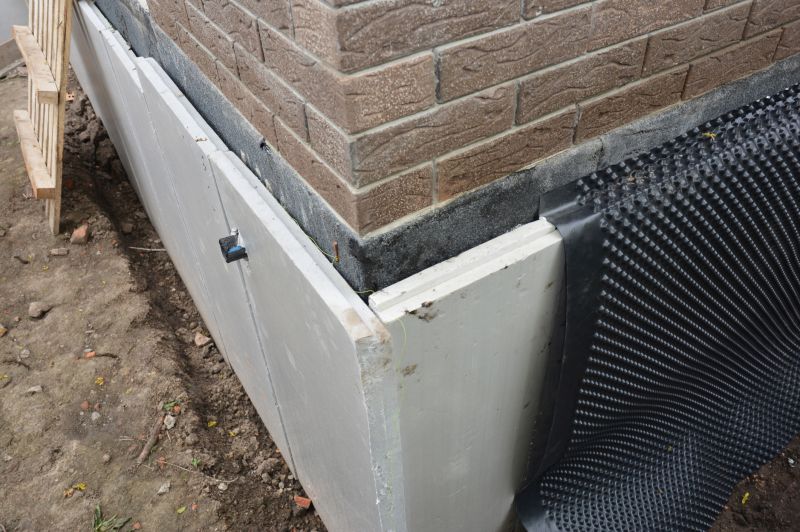
Installing waterproof barriers in a basement during construction.
Choosing the right time for waterproofing projects can significantly impact their success. Consulting with waterproofing professionals can help determine the best season based on local climate conditions and specific project requirements. Proper timing not only ensures effective application but also extends the lifespan of the waterproofing system.
Interested in waterproofing solutions? Fill out the contact form to receive more information and schedule an assessment.